How much does branding cost for a small business?
And the results didn't help. Some articles said you can do it for free while others said spend $10,000. Both are technically true. Neither tells you what to actually do when you're about to launch a business, you don't have thousands sitting around, and the brand still needs to exist by next week. So let's be honest about the options.
A freelancer usually runs between $1,000 and $10,000 depending on experience and scope. A branding agency is significantly more. For what you get — strategy, creative direction, a brand guide you can actually use — it's often worth it. But if that money isn't there, it isn't there. And at the start, when you're still validating whether the business is going to work, it's a hard commitment to make. The investment is real and the outcome isn't guaranteed.
Canva. Google Fonts. YouTube tutorials. This is what most people do, and the results vary wildly.
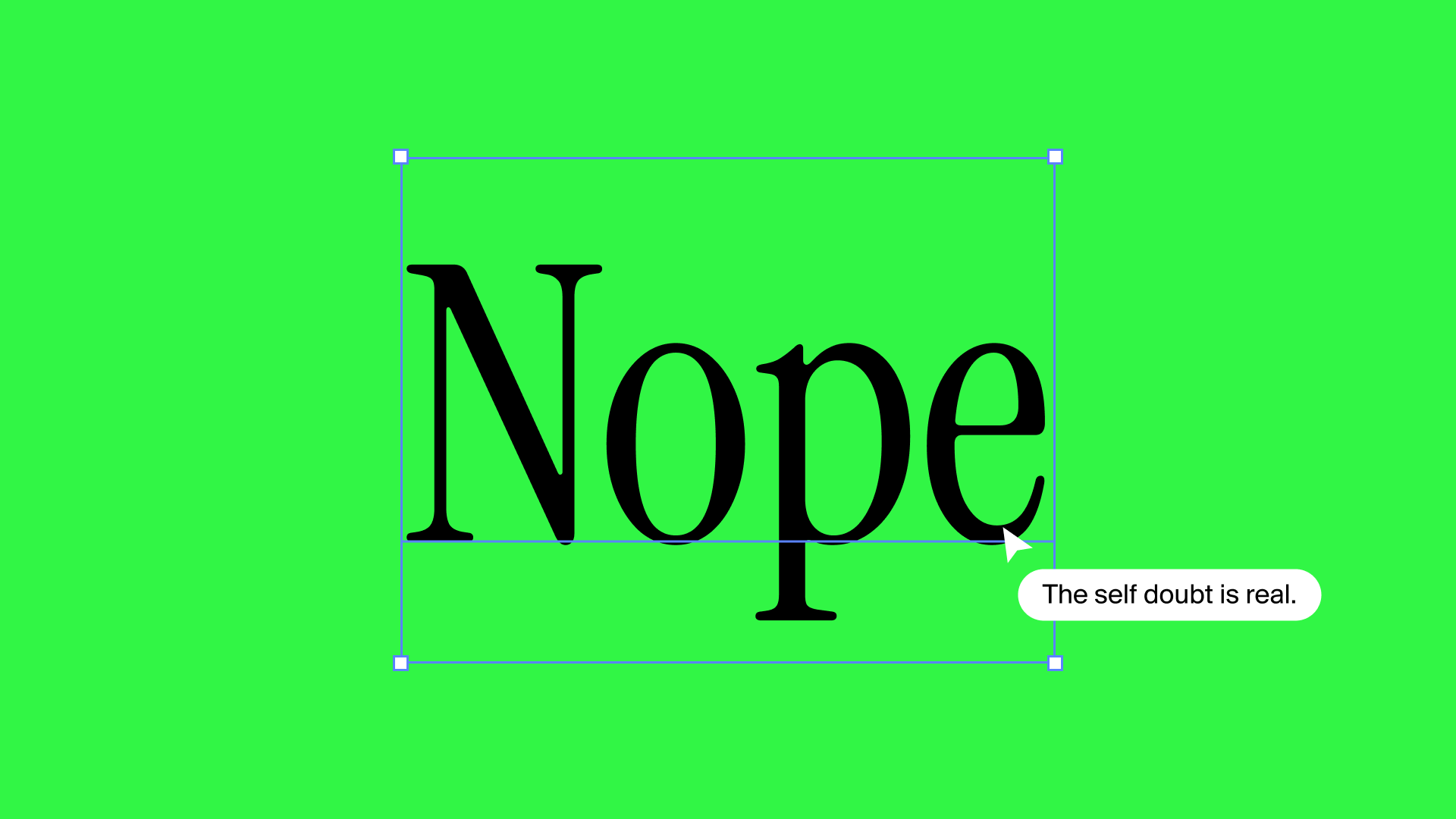
If you have a natural eye for design and you're comfortable making decisions, you can pull something together that holds up. Some founders genuinely nail it, but honestly most don't — not because they're not capable, but because design decision-making is a skill that takes time to develop. Without it, you open a tool and face hundreds of fonts that all look almost right and colours that all feel almost wrong. The longer you look, the worse your judgment gets. You end up making a quick call just to move forward, then quietly second-guessing it every time you post something.
The DIY brand folder becomes a graveyard.
Most founders aren't choosing between Canva and a $5,000 designer. They're stuck between doing it badly and not doing it at all — with no real option in between.
The tools that exist either give you total freedom with no guidance (Canva, Google Fonts, blank canvas panic) or total automation with no taste (AI logo generators that spit out something that could belong to anyone). Neither closes the gap between "I put this together myself" and "this looks like a real business."
What's actually missing is structure. Not someone making every decision for you, and not complete freedom either — but a guided process that knows what a good answer looks like, so you don't have to figure that out on top of everything else.
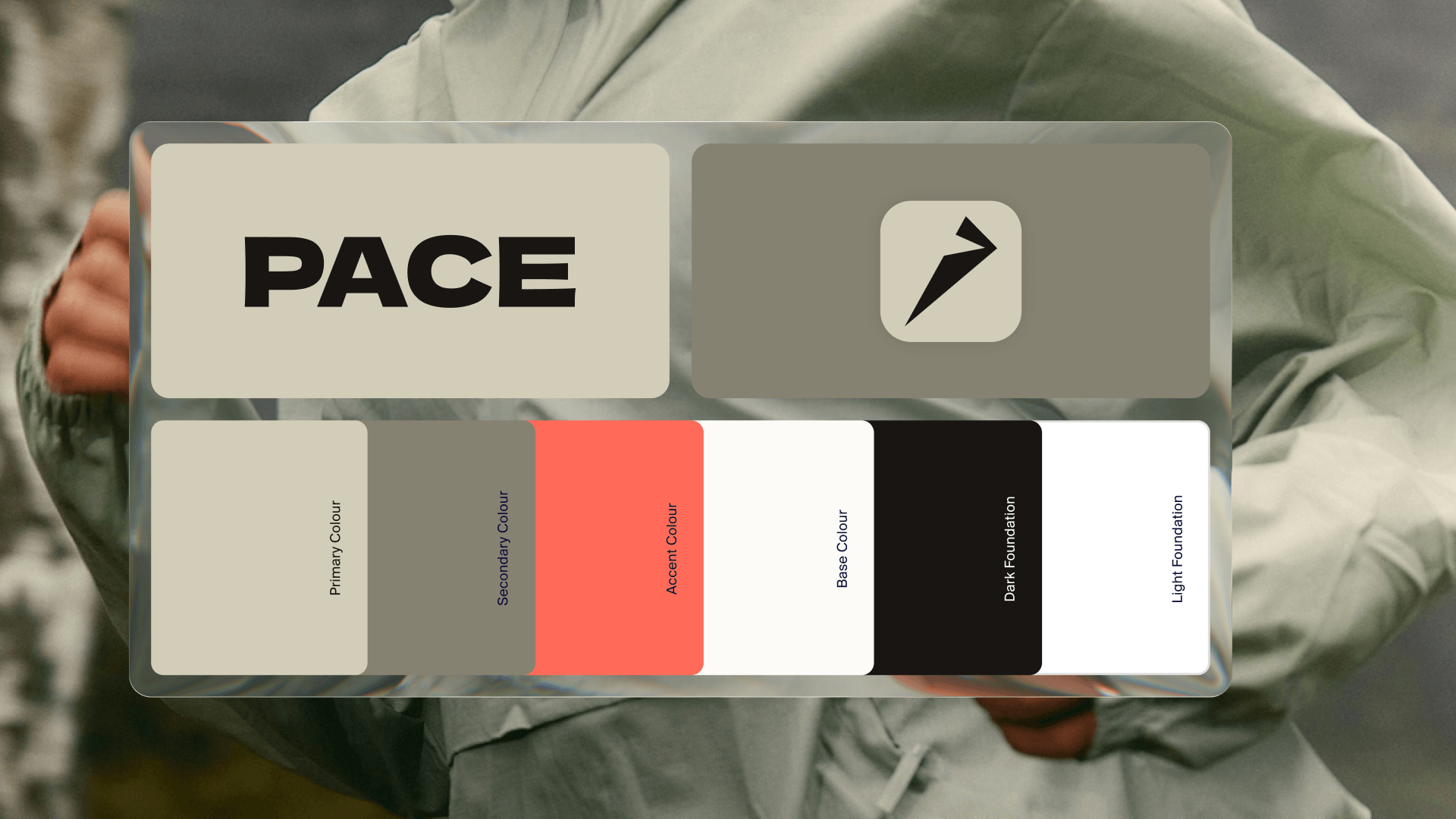
Branana is a step-by-step brand builder built on real design thinking. You answer questions about your business, get matched to a visual style, then choose your logo, colours, typography, and tone of voice from options that have already been curated by a designer. The decisions get narrowed and the second-guessing stops. What you end up with is a complete brand guide — the kind that's usually only possible if you've worked with a studio.
It's not free, but it's a fraction of what a designer costs, and it's built for exactly the situation where a designer isn't an option.
Don't spiral in Canva for three weeks and end up with something you'll want to redo in six months.
Find a process that gives you enough guidance to make real decisions — not unlimited options that leave you exactly where you started. Something that knows what good looks like, so the brand you launch with is one you're proud to put your name to.
Because the real cost of bad branding isn't the tool you used to make it. It's carrying something you're not proud of on every invoice, every post, every first impression — while you're trying to convince people your business is worth taking seriously.
You deserve better than that. And you don't need an agency budget to get it.